Commitment to Sustainable Food Production
Agriculture and food production are, by their very nature, long-term ventures. As such, sustainability lies at the heart of every farming operation and is embedded across the agricultural value chain. Social, environmental and governance considerations are critical not only for food security, but for the future of our people, our land and our economy.
The agricultural sector prioritises the production of safe, nutritious and affordable food for all South Africans. This can only be achieved through practices that protect the land and those who live and work on it. Environmental sustainability means caring for the soil, water and ecosystems we depend on. Social sustainability demands strong, respectful relationships with surrounding communities.
“A vital part of sustainably producing sufficient quantities of safe food is the ability to protect crops from devastating pests and diseases, minimise the impact of weeds on crops, and mediate certain responses in the crops to support growth and yield.”
Regulatory Framework & Responsible Use
Agricultural remedies, when used responsibly and in accordance with the label and the law, are critical tools in this pursuit. These products are tightly regulated in South Africa under the Fertilizers, Farm Feeds, Agricultural Remedies and Stock Remedies Act (Act No. 36 of 1947), with the most recent regulations published in August 2023.
South African agriculture already operates under multiple layers of legislation beyond Act No. 36 of 1947. These include, among others:
- The Occupational Health and Safety Act (Act 85 of 1993)
- The 2021 Regulations for Hazardous Chemical Agents
- The Fertilizers, Farm Feeds, Agricultural Remedies and Stock Remedies Act (Act No. 36 of 1947)
- Provincial environmental and water-use regulations
Compliance with these laws is a shared responsibility among all actors in the value chain, from researcher to farmworker.
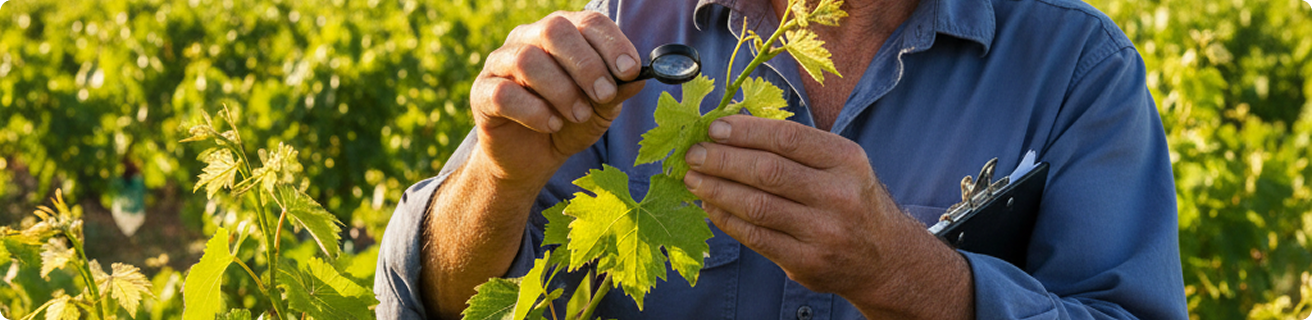
South Africa’s Unique Agricultural Context
It is essential to understand the unique context of South African agriculture. Our climatic conditions, crop profiles and pest pressures differ significantly from those in other countries, meaning we often need specific products and solutions to protect our crops, some of which might not be required in other parts of the world.
Responsible use rests on a few key principles:
- Always read and follow the product label and applicable legal requirements.
- Apply the right product, at the right rate, at the right time.
- Protect pollinators, water sources and neighbouring crops.
- Store, transport and dispose of remedies safely and responsibly.
As representatives of the agricultural industry, we welcome public dialogue on food safety and sustainability. We remain committed to working with all stakeholders to ensure transparency, build public trust, and ensure that South Africa’s food systems are not only safe and productive, but resilient and responsible.